









Masechet Chullin is sponsored by Judi Felber in honor of the Hadran Community. “During my first cycle of Daf Yomi, just as we began Masechet Chullin, my son was injured while serving in the IDF. Throughout those two and a half months of difficulty and uncertainty, my fellow learners never left my side. With profound gratitude to the community that held me, encouraged me, and ensured I could keep up with the Daf during those trying times.”
Want to dedicate learning? Get started here:

Summary

Reish Lakish rules that if the windpipe is cut during slaughter and the lung is subsequently punctured before the gullet is cut, the animal remains kosher because the lung is already considered to have lost its life through the cutting of the windpipe. Rava qualifies that this principle applies exclusively to the lung, which is structurally dependent on the windpipe, but not to the inner digestive organs. Rabbi Zeira disputes this qualification, and the Gemara notes a secondary debate regarding whether or not Rabbi Zeira ultimately retracted his objection.
Rav Acha infers from Reish Lakish’s ruling that meat from an animal in the process of being slaughtered is forbidden to Noahides. Because the severing of both simanim structurally detaches the internal organs from the animal’s life source, it renders them ever min hachai (a limb or flesh from a living animal) for anyone whose meat is not immediately permitted via shechita. Consequently, a gentile eating these organs while the animal still convulses violates the Noachide prohibition. However, others object to this inference, arguing that a concept cannot exist where an item is permitted to Jews but forbidden to gentiles.
A debate in the Mishna questions whether the act of slaughter itself renders the animal susceptible to ritual impurity (hechsher lekabel tumah) or if susceptibility is achieved only when the blood emerges and acts as a wetting liquid. The rabbis rule that if no blood emerges, the meat is not susceptible to impurity, meaning one may eat it with ritually impure hands. The Gemara infers from here that if blood had emerged, eating with impure hands would be forbidden. This raises a difficulty, as the Mishna appears to discuss secular meat (chullin), yet impure hands possess only a second-degree status (sheni le’tumah), which cannot create a third-degree status (shelishi) in chullin.
To resolve this, the Gemara first presents four textual proofs demonstrating that the Mishna is indeed dealing with chullin. Following these proofs, the Gemara introduces three suggestions for the specific case in the Mishna: according to the first, the Mishna refers to meat purchased with maaser sheni money; according to the second, it involves a rabbinic decree assigning a first-degree status of impurity to the hands; and according to the third, it refers to secular food prepared according to the strict purity standards of consecrated sacrifices (kodashim).
Today’s daily daf tools:
Masechet Chullin is sponsored by Judi Felber in honor of the Hadran Community. “During my first cycle of Daf Yomi, just as we began Masechet Chullin, my son was injured while serving in the IDF. Throughout those two and a half months of difficulty and uncertainty, my fellow learners never left my side. With profound gratitude to the community that held me, encouraged me, and ensured I could keep up with the Daf during those trying times.”
Chullin 33
מִי מִצְטָרֵף סִימָן רִאשׁוֹן לְסִימָן שֵׁנִי לְטַהֲרָהּ מִידֵי נְבֵלָה, אוֹ לָא?
The Gemara clarifies this dilemma: Does the first siman join together with the second siman to purify the animal from the impurity of an unslaughtered carcass or not? In both cases the dilemma is: Does the cutting of the first siman, which serves the dual purpose of being a component of permitting consumption and preventing impurity of the animal, join together with the cutting of the second siman, which serves only the purpose of preventing impurity, in order to constitute a single act of slaughter and thereby prevent the animal from assuming the impurity of an unslaughtered carcass? Or perhaps because the cutting of each siman is performed for a different purpose they do not join together?
עַד כָּאן לָא אִיבַּעְיָא לַן, אֶלָּא לְטַהֲרָהּ מִידֵי נְבֵלָה, אֲבָל בַּאֲכִילָה – אֲסוּרָה.
In any event, we raise the dilemma only in order to purify the foreleg from the impurity of an unslaughtered carcass. But with regard to eating the slaughtered animal, all agree that it is forbidden, as even Rabbi Zeira concedes that the animal is a tereifa and retracts his objection to the distinction that Rava proposed between the lungs and the innards.
אֲמַר לֵיהּ רַב אַחָא בַּר רַב לְרָבִינָא: דִּלְמָא לְעוֹלָם לָא הֲדַר בֵּיהּ, וְרַבִּי זֵירָא לִדְבָרָיו דְּרָבָא קָאָמַר, וְלֵיהּ לָא סְבִירָא לֵיהּ.
Rav Aḥa bar Rav said to Ravina: Perhaps Rabbi Zeira actually did not retract his opinion, as even initially he held that there is no distinction between lungs and innards. If either is perforated after one siman was cut, the animal is a tereifa. And Rabbi Zeira stated his objection to the distinction of Rava in accordance with the statement of Rava, but he himself does not hold accordingly.
אָמַר רַב אַחָא בַּר יַעֲקֹב: שְׁמַע מִינַּהּ מִדְּרַבִּי שִׁמְעוֹן בֶּן לָקִישׁ, מְזַמְּנִין יִשְׂרָאֵל עַל בְּנֵי מֵעַיִין, וְאֵין מְזַמְּנִין גּוֹי עַל בְּנֵי מֵעַיִין.
The Gemara continues its analysis of the statement of Reish Lakish, who said that after the windpipe is cut, the lung is considered as though it was placed in a basket, and if it is perforated before the slaughter is completed, the animal does not become a tereifa. Rav Aḥa bar Yaakov said: Learn from the statement of Rabbi Shimon ben Lakish that one may invite Jews to eat the innards of an animal that was slaughtered, but one may not invite gentiles to eat the innards of an animal that was slaughtered, because they are forbidden to gentiles.
מַאי טַעְמָא? יִשְׂרָאֵל דְּבִשְׁחִיטָה תַּלְיָא מִילְּתָא, כֵּיוָן דְּאִיכָּא שְׁחִיטָה מְעַלַּיְיתָא – אִישְׁתְּרִי לְהוּ; גּוֹיִם דְּבִנְחִירָה סַגִּי לְהוּ וּבְמִיתָה תַּלְיָא מִילְּתָא, הָנֵי – כְּאֵבֶר מִן הַחַי דָּמוּ.
What is the reason? For Jews the matter of rendering the meat of the animal fit for consumption is dependent upon the performance of a valid act of slaughter. Once there is full-fledged slaughter and both simanim are cut, the innards are permitted to them even if the animal is convulsing. But with regard to gentiles, for whom stabbing is sufficient and slaughter is not required, the innards are permitted only after the animal is completely dead, since the matter of rendering the meat of the animal fit for consumption is dependent upon its death. Therefore, if the animal is still convulsing, these innards, which are considered to be outside the body after the cutting of the two simanim, are considered like a limb from a living animal and it is forbidden for gentiles to eat them.
אָמַר רַב פָּפָּא: הֲוָה יָתֵיבְנָא קַמֵּיהּ דְּרַב אַחָא בַּר יַעֲקֹב, וּבְעַי דְּאֵימָא לֵיהּ, מִי אִיכָּא מִידֵּי דִּלְיִשְׂרָאֵל שְׁרֵי וּלְגוֹיִם אָסוּר? וְלָא אֲמַרִי לֵיהּ, דְּאָמֵינָא: הָא טַעְמָא קָאָמַר.
Rav Pappa said: I was sitting before Rav Aḥa bar Yaakov and I sought to say to him that his statement is difficult: Is there anything that is permitted for a Jew but prohibited for a gentile? But I did not say that to him, as I said to myself: Didn’t he say a reason for his ruling? Therefore, there is no reason to ask the question.
תַּנְיָא דְּלָא כְּרַב אַחָא בַּר יַעֲקֹב: הָרוֹצֶה לֶאֱכוֹל מִבְּהֵמָה קוֹדֶם שֶׁתֵּצֵא נַפְשָׁהּ – חוֹתֵךְ כְּזַיִת בָּשָׂר מִבֵּית הַשְּׁחִיטָה, וּמוֹלְחוֹ יָפֶה יָפֶה, וּמְדִיחוֹ יָפֶה יָפֶה, וּמַמְתִּין לָהּ עַד שֶׁתֵּצֵא נַפְשָׁהּ, וְאוֹכְלוֹ, אֶחָד גּוֹי וְאֶחָד יִשְׂרָאֵל מוּתָּרִין בּוֹ.
The Gemara notes: It is taught in a baraita not in accordance with the opinion of Rav Aḥa bar Yaakov: One who seeks to eat from the meat of an animal before its soul departs may cut an olive-bulk of meat from the area of the slaughter, the neck, and salt it very well, i.e., more than is normally required, and rinse it very well in water to remove the salt and the blood, and wait until the animal’s soul departs, and eat it. It is permitted for both a gentile and a Jew to eat it. Contrary to the statement of Rav Aḥa bar Yaakov, there is no distinction between Jew and gentile.
מְסַיַּיע לֵיהּ לְרַב אִידִי בַּר אָבִין, דְּאָמַר רַב אִידִי בַּר אָבִין אָמַר רַב יִצְחָק בַּר אַשְׁיָאן: הָרוֹצֶה שֶׁיַּבְרִיא, חוֹתֵךְ כְּזַיִת בָּשָׂר מִבֵּית שְׁחִיטָתָהּ שֶׁל בְּהֵמָה, וּמוֹלְחוֹ יָפֶה יָפֶה, וּמְדִיחוֹ יָפֶה יָפֶה, וּמַמְתִּין לָהּ עַד שֶׁתֵּצֵא נַפְשָׁהּ, אֶחָד גּוֹי וְאֶחָד יִשְׂרָאֵל מוּתָּרִין בּוֹ.
This baraita supports the statement of Rav Idi bar Avin, as Rav Idi bar Avin says that Rav Yitzḥak bar Ashyan says: One who seeks to recuperate from an illness should cut an olive-bulk of meat from the area of slaughter, i.e., the neck, of an animal, and salt it very well, and rinse it very well, and wait until the animal’s soul departs, and eat it. It is permitted for both a gentile and a Jew to eat it.
מַתְנִי׳ הַשּׁוֹחֵט בְּהֵמָה חַיָּה וָעוֹף וְלֹא יָצָא מֵהֶן דָּם – כְּשֵׁרִים, וְנֶאֱכָלִין בְּיָדַיִם מְסוֹאָבוֹת, לְפִי שֶׁלֹּא הוּכְשְׁרוּ בַּדָּם. רַבִּי שִׁמְעוֹן אוֹמֵר: הוּכְשְׁרוּ בַּשְּׁחִיטָה.
MISHNA: In the case of one who slaughters a domesticated animal, an undomesticated animal, or a bird, and blood did not emerge from them during the slaughter, all of these are permitted for consumption and do not require the ritual washing of the hands as they may be eaten with ritually impure [mesoavot] hands, because they were not rendered susceptible to ritual impurity through contact with blood, which is one of the seven liquids that render food susceptible to impurity. Rabbi Shimon says: They were rendered susceptible to ritual impurity by means of the slaughter itself.
גְּמָ׳ טַעְמָא דְּלֹא יָצָא מֵהֶן דָּם, הָא יָצָא מֵהֶן דָּם – אֵין נֶאֱכָלִים בְּיָדַיִם מְסוֹאָבוֹת. אַמַּאי? יָדַיִם שְׁנִיּוֹת הֵן, וְאֵין שֵׁנִי עוֹשֶׂה שְׁלִישִׁי בְּחוּלִּין!
GEMARA: The reason that they may be eaten with ritually impure hands is that blood did not emerge from the animals or birds during the slaughter; but if blood emerged from them during slaughter, they may not be eaten with ritually impure hands. The Gemara asks: Why not? Ordinary hands are impure with second-degree ritual impurity and an item of second-degree impurity cannot impart third-degree impurity to non-sacred items with which it comes into contact.
וּמִמַּאי דִּבְחוּלִּין עָסְקִינַן? דְּקָתָנֵי חַיָּה, דְּאִילּוּ קָדָשִׁים – חַיָּה בְּקָדָשִׁים מִי אִיכָּא? וְתוּ, אִי בְּקָדָשִׁים, כִּי לֹא יָצָא מֵהֶן דָּם – כְּשֵׁרָה? הוּא עַצְמוֹ לַדָּם הוּא צָרִיךְ!
The Gemara clarifies: From where is it ascertained that we are dealing in the mishna with non-sacred food, and not with the slaughter of an offering? That is clear, as the tanna teaches in the list of those slaughtered: An undomesticated animal. As, if the tanna is referring to the slaughter of sacrificial animals and birds, is there any undomesticated animal included in the framework of sacrificial animals? And furthermore, if the tanna is referring to sacrificial animals, when no blood emerges from them are the offerings valid? The offering itself requires blood, as it is only through the presenting of the blood upon the altar that the offering is accepted.
וְתוּ, אִי בְּקָדָשִׁים, כִּי יָצָא מֵהֶן דָּם מִי מַכְשִׁיר? וְהָאָמַר רַבִּי חִיָּיא בַּר אַבָּא אָמַר רַבִּי יוֹחָנָן: מִנַּיִן לְדַם קָדָשִׁים שֶׁאֵינוֹ מַכְשִׁיר? שֶׁנֶּאֱמַר: ״עַל הָאָרֶץ תִּשְׁפְּכֶנּוּ כַּמָּיִם״, דָּם שֶׁנִּשְׁפָּךְ כַּמַּיִם מַכְשִׁיר, שֶׁאֵינוֹ נִשְׁפָּךְ כַּמַּיִם אֵינוֹ מַכְשִׁיר!
And furthermore, if the tanna is referring to sacrificial animals, when blood emerges from them, does it render them susceptible to ritual impurity? But doesn’t Rabbi Ḥiyya bar Abba say that Rabbi Yoḥanan says: From where is it derived that the blood of sacrificial animals does not render food susceptible to ritual impurity? It is derived from a verse, as it is stated: “You shall not eat it; you shall pour it upon the earth like water” (Deuteronomy 12:24). Blood of a non-sacred animal, which is poured like water when it is slaughtered, renders food susceptible to ritual impurity. By contrast, blood of a sacrificial animal, which is not poured like water but is presented on the altar, does not render food susceptible to ritual impurity.
וְתוּ, אִי בְּקָדָשִׁים, כִּי לֹא יָצָא מֵהֶם דָּם לָא מִתַּכְשְׁרִי, (לִיתַּכְשְׁרִי) [לִיתַּכְשְׁרוּ] בְּחִיבַּת הַקֹּדֶשׁ! דְּקַיְימָא לַן חִיבַּת הַקֹּדֶשׁ מַכְשַׁרְתָּן.
And furthermore, if the tanna is referring to sacrificial animals, when blood does not emerge from them are they not nevertheless rendered susceptible to ritual impurity? Let them be rendered susceptible to ritual impurity by means of regard for sanctity, as we maintain that regard for sanctity renders food suceptible to ritual impurity even in the absence of contact with any of the seven liquids.
אָמַר רַב נַחְמָן אָמַר רַבָּה בַּר אֲבוּהּ: הָכָא בְּחוּלִּין שֶׁלְּקָחָן בְּכֶסֶף מַעֲשֵׂר עָסְקִינַן, וּדְלָא כְּרַבִּי מֵאִיר, דִּתְנַן:
Rav Naḥman said that Rabba bar Avuh said: Here we are dealing with non-sacred food that one purchased in Jerusalem with second-tithe money, which assumes the status of the second-tithe produce. This produce, in turn, assumes third-degree impurity through contact with hands that have second-degree impurity. And this mishna is not in accordance with the opinion of Rabbi Meir, as we learned in a mishna (Para 11:5):
כׇּל הַטָּעוּן בִּיאַת מַיִם מִדִּבְרֵי סוֹפְרִים מְטַמֵּא אֶת הַקֹּדֶשׁ, וּפוֹסֵל אֶת הַתְּרוּמָה, וּמוּתָּר בַּחוּלִּין וּבַמַּעֲשֵׂר, דִּבְרֵי רַבִּי מֵאִיר.
With regard to anything that by rabbinic law requires entry into water, i.e., either immersion or ritual washing of the hands, although it is pure by Torah law, it is accorded second-degree impurity. Therefore, such an item renders sacrificial food impure, meaning that the sacrificial food becomes impure and transmits impurity to other sacrificial food, and disqualifies teruma, meaning that it renders the teruma itself impure, but not to the extent that the teruma can render other teruma impure. And it is permitted for non-sacred food and for second-tithe produce to come in contact with such an item, and no impurity is thereby transmitted. This is the statement of Rabbi Meir.
וַחֲכָמִים אוֹסְרִים בַּמַּעֲשֵׂר.
And the Rabbis prohibit items that require entry into water from coming in contact with second-tithe produce, as they hold that the produce is thereby rendered impure. According to the Rabbis, the status of second-tithe produce is more stringent than that of non-sacred food, and second-tithe produce assumes third-degree impurity upon contact with an item of second-degree impurity, which is in accordance with the opinion of the mishna.
מַתְקֵיף לַהּ רַב שִׁימִי בַּר אָשֵׁי: מִמַּאי? דִּלְמָא עַד כָּאן לָא פְּלִיגִי רַבָּנַן עֲלֵיהּ דְּרַבִּי מֵאִיר, אֶלָּא בַּאֲכִילַת מַעֲשֵׂר, אֲבָל בִּנְגִיעָה דְּמַעֲשֵׂר וַאֲכִילָה דְחוּלִּין – לָא פְּלִיגִי.
Rav Shimi bar Ashi objects to this interpretation of that mishna. From where is it clear that it is contact that the Rabbis prohibit? Perhaps the Rabbis disagree with Rabbi Meir only with regard to a person with second-degree impurity partaking of second-tithe produce. But with regard to contact of an individual with second-degree impurity with second-tithe produce or his eating non-sacred food, they do not disagree.
וְהָא נְגִיעָה הִיא, מִדְּקָתָנֵי נֶאֱכָלִין בְּיָדַיִם מְסוֹאָבוֹת, מִי לָא עָסְקִינַן דְּקָא סָפֵי לֵיהּ חַבְרֵיהּ?
And this case in the mishna is a case involving contact with the flesh of the slaughtered animal, from the fact that it teaches: They may be eaten with ritually impure hands, in the passive form, and not: One may eat them with impure hands. Are we not dealing with a case where another with impure hands fed him, but the one eating it was ritually pure and did not touch it? Therefore, the case in the mishna here, which indicates that it is forbidden for one with impure hands to touch the flesh if it has come in contact with the blood, cannot be referring to an animal purchased in Jerusalem with second-tithe money. The reason is that in that case, the Rabbis concede that contact with second-tithe produce, even produce rendered susceptible to ritual impurity by the blood, is permitted for one whose hands are impure with second-degree ritual impurity.
אֶלָּא אָמַר רַב פָּפָּא: הָכָא בְּיָדַיִם תְּחִלּוֹת עָסְקִינַן, וְרַבִּי שִׁמְעוֹן בֶּן אֶלְעָזָר הִיא, דְּתַנְיָא: אֵין יָדַיִם תְּחִלּוֹת לַחוּלִּין, רַבִּי שִׁמְעוֹן בֶּן אֶלְעָזָר אוֹמֵר מִשּׁוּם רַבִּי מֵאִיר: יָדַיִם תְּחִלּוֹת לַחוּלִּין, וּשְׁנִיּוֹת לַתְּרוּמָה.
Rather Rav Pappa said: Here, in the mishna, we are dealing with hands that are impure with first-degree ritual impurity, which render even non-sacred food impure. And the mishna is in accordance with the opinion of Rabbi Shimon ben Elazar, as it is taught in a baraita: In those cases where hands have first-degree impurity, it is not that they render non-sacred food impure; rather, it means that they impart to teruma and sacrificial food second-degree impurity rather than third-degree impurity. Rabbi Shimon ben Elazar says in the name of Rabbi Meir: In those cases where hands have first-degree impurity, it means that they render non-sacred food impure. And in those cases where hands have second-degree impurity it means that they invalidate teruma and impart to it third-degree impurity.
תְּחִלּוֹת לְחוּלִּין – אִין, לִתְרוּמָה – לָא? הָכִי קָאָמַר: תְּחִלּוֹת – אַף לְחוּלִּין, שְׁנִיּוֹת – לִתְרוּמָה אִין, לְחוּלִּין – לָא.
The Gemara asks: Did Rabbi Shimon ben Elazar say that in those cases where hands have first-degree impurity, with regard to non-sacred food, yes, they render it impure, but with regard to teruma, hands do not render it impure? The Gemara answers: This is what Rabbi Shimon ben Elazar is saying: In those cases where hands have first-degree impurity, it means that they render even non-sacred food impure, and all the more so they render teruma impure. But in those cases where hands have second-degree impurity, it means that with regard to teruma, yes, the hands invalidate teruma and impart third-degree impurity, but with regard to non-sacred food, hands do not render it impure.
וּמִי אִיכָּא יָדַיִם תְּחִלּוֹת? אִין, דְּתַנְיָא: הִכְנִיס יָדָיו לְבַיִת הַמְנוּגָּע – יָדָיו תְּחִלּוֹת, דִּבְרֵי רַבִּי עֲקִיבָא, וַחֲכָמִים אוֹמְרִים: יָדָיו שְׁנִיּוֹת.
The Gemara asks: And are there cases where hands assume first-degree impurity? The Gemara answers: Yes, as it is taught in a mishna (Yadayim 3:1): If one inserts his hands into a leprous house (see Leviticus 14:33–53) his hands assume first-degree impurity as though his entire body entered the house; this is the statement of Rabbi Akiva. And the Rabbis say: His hands assume second-degree impurity.
דְּכוּלֵּי עָלְמָא בִּיאָה בְּמִקְצָת לֹא שְׁמָהּ בִּיאָה, וְהָכָא בִּגְזֵירָה יָדָיו אַטּוּ גּוּפוֹ קָא מִיפַּלְגִי.
The Gemara elaborates: Everyone agrees that in principle, partial entry into a leprous house is not characterized as entry in terms of rendering one who enters impure. Therefore, one who inserted his hands into the house is not impure by Torah law. And here, it is with regard to a rabbinic decree that renders his hands impure that they disagree: The Sages issued a decree that if one inserted his hands into a leprous house, his hands are impure due to the impurity by Torah law that one assumes when he enters the house with his entire body. The objective of the decree is to prevent him from entering the leprous house.
מָר סָבַר: יָדָיו – כְּגוּפוֹ שַׁוִּינְהוּ רַבָּנַן, וּמָר סָבַר: יָדַיִם – כְּיָדַיִם דְּעָלְמָא שַׁוִּינְהוּ רַבָּנַן.
One Sage, Rabbi Akiva, holds that when the Sages issued the decree they determined that the status of his hands inserted into the house is like the status of his body that enters the house, first-degree impurity. And one Sage, the Rabbis, holds that the Sages rendered the status of hands inserted into the house like the status of hands in general, with regard to which they issued a decree of second-degree impurity, even if they had been washed.
וְלוֹקְמַהּ כְּרַבִּי עֲקִיבָא, דְּאָמַר: יָדָיו תְּחִלּוֹת הָוְיָין? דִּלְמָא כִּי קָאָמַר רַבִּי עֲקִיבָא הָנֵי מִילֵּי בִּתְרוּמָה וְקָדָשִׁים, דַּחֲמִירִי, אֲבָל לְחוּלִּין – שְׁנִיּוֹת הָוְיָין.
The Gemara asks: And why did Rav Pappa interpret the mishna in accordance with the opinion of Rabbi Shimon ben Elazar? Let Rav Pappa interpret the mishna in accordance with the opinion of Rabbi Akiva, who says: If one inserts his hands into a leprous house, his hands assume first-degree impurity. The Gemara answers: Perhaps when Rabbi Akiva says that one’s hands assume first-degree impurity, that statement applies only in cases of teruma and sacrificial food, which are stringent. But with regard to non-sacred food, perhaps hands are impure only with second-degree impurity.
וְלִיהֶוְיָין נָמֵי שְׁנִיּוֹת, דְּהָא שָׁמְעִינַן לֵיהּ לְרַבִּי עֲקִיבָא דְּאָמַר: שֵׁנִי עוֹשֶׂה שְׁלִישִׁי בְּחוּלִּין.
The Gemara objects: And let hands also be impure only with second-degree impurity and the mishna could still be in accordance with the opinion of Rabbi Akiva. As we heard that Rabbi Akiva says: An item of second-degree impurity imparts third-degree impurity to non-sacred items.
דִּתְנַן, בּוֹ בְּיוֹם דָּרַשׁ רַבִּי עֲקִיבָא: ״וְכׇל כְּלִי חֶרֶשׂ וְגוֹ׳ יִטְמָא״, ״טָמֵא״ לֹא נֶאֱמַר, אֶלָּא ״יִטְמָא״ – לְטַמֵּא אֲחֵרִים, לִימֵּד עַל כִּכָּר שֵׁנִי שֶׁהוּא עוֹשֶׂה שְׁלִישִׁי בְּחוּלִּין.
As we learned in a mishna (Sota 27b): On that day, when Rabbi Elazar ben Azarya was appointed Nasi in Yavne, Rabbi Akiva taught: “And every earthenware vessel into which any of them falls, whatever is in it shall be impure, and you shall break it” (Leviticus 11:33). With regard to the item rendered impure in the vessel, it is not stated: It is impure [tameh]; rather, the term “it shall be impure [yitma]” is stated, indicating that the item has the capacity to transmit impurity to other items. This verse teaches about a loaf with second-degree impurity that had been rendered impure in the airspace of an earthenware vessel in which there was a creeping animal, that through contact it renders non-sacred food impure with third-degree ritual impurity.
דִּלְמָא הָנֵי מִילֵּי בְּטוּמְאָה דְּאוֹרָיְיתָא, אֲבָל בִּדְרַבָּנַן לָא.
The Gemara explains: Perhaps this statement, that non-sacred food becomes impure with third-degree ritual impurity, applies only with regard to impurity by Torah law, e.g., a creeping animal; but with regard to impurity by rabbinic law, e.g., impurity of hands, that is not the halakha.
אָמַר רַבִּי אֶלְעָזָר אָמַר רַבִּי הוֹשַׁעְיָא: הָכָא בְּחוּלִּין שֶׁנַּעֲשׂוּ עַל טׇהֳרַת הַקֹּדֶשׁ עָסְקִינַן, וּדְלָא כְּרַבִּי יְהוֹשֻׁעַ, דְּתַנְיָא: רַבִּי אֱלִיעֶזֶר אוֹמֵר: הָאוֹכֵל אוֹכֶל רִאשׁוֹן – רִאשׁוֹן, שֵׁנִי – שֵׁנִי, שְׁלִישִׁי – שְׁלִישִׁי.
Rabbi Elazar said that Rabbi Hoshaya said a third explanation of the mishna: Here we are dealing with a case of non-sacred food items that were prepared on the level of purity of sacrificial food. And the mishna is not in accordance with the opinion of Rabbi Yehoshua, as it is taught in a mishna (Teharot 2:2): Rabbi Eliezer says: One who eats food with first-degree ritual impurity assumes first-degree impurity. One who eats food with second-degree ritual impurity assumes second-degree impurity. One who eats food with third-degree impurity assumes third-degree impurity.
רַבִּי יְהוֹשֻׁעַ אוֹמֵר: הָאוֹכֵל אוֹכֶל רִאשׁוֹן וְשֵׁנִי – שֵׁנִי, שְׁלִישִׁי – שֵׁנִי לַקֹּדֶשׁ, וְאֵין שֵׁנִי לַתְּרוּמָה.
The mishna continues: Rabbi Yehoshua says: One who eats food with first-degree or second-degree impurity assumes second-degree impurity. One with second-degree impurity who comes into contact with teruma disqualifies it, but does not render it impure. One who eats food with third-degree impurity assumes second-degree impurity vis-à-vis sacrificial food, i.e., his contact with sacrificial food renders it impure with the capacity to transmit impurity to other sacrificial food, but does not assume second-degree impurity vis-à-vis teruma, and his contact with teruma does not disqualify it.
בְּחוּלִּין שֶׁנַּעֲשׂוּ עַל טׇהֳרַת תְּרוּמָה.
Eating an item that has third-degree impurity is feasible only in the case of non-sacred food, as partaking of impure teruma or sacrificial food is prohibited. Generic non-sacred food cannot contract third-degree impurity at all. Therefore, the case of one who eats food that has third-degree impurity is referring specifically to non-sacred food items that were prepared on the level of purity of teruma.
עַל טׇהֳרַת תְּרוּמָה – אִין, עַל טׇהֳרַת הַקֹּדֶשׁ – לָא, קָסָבַר: חוּלִּין שֶׁנַּעֲשׂוּ עַל טׇהֳרַת הַקֹּדֶשׁ לֵית בְּהוּ שְׁלִישִׁי.
The Gemara infers from Rabbi Yehoshua’s statement that if one prepares items as if their level of purity were on the level of purity of teruma, then yes, they have the status like teruma, but if one prepares items as if their level of purity were on the level of purity of sacrificial food, they do not have the status like sacrificial food, and such items would not contract third-degree impurity. This indicates that Rabbi Yehoshua holds that non-sacred food items that were prepared on the level of purity of sacrificial food do not assume third-degree impurity.
וְלוֹקְמַהּ
The Gemara objects: Let us interpret the mishna

Today’s daily daf tools:
Delve Deeper
Broaden your understanding of the topics on this daf with classes and podcasts from top women Talmud scholars.



New to Talmud?
Check out our resources designed to help you navigate a page of Talmud – and study at the pace, level and style that fits you.
The Hadran Women’s Tapestry
Meet the diverse women learning Gemara at Hadran and hear their stories.
After enthusing to my friend Ruth Kahan about how much I had enjoyed remote Jewish learning during the earlier part of the pandemic, she challenged me to join her in learning the daf yomi cycle. I had always wanted to do daf yomi but now had no excuse. The beginning was particularly hard as I had never studied Talmud but has become easier, as I have gained some familiarity with it.

Brookline, United States
Studying has changed my life view on הלכה and יהדות and time. It has taught me bonudaries of the human nature and honesty of our sages in their discourse to try and build a nation of caring people .

Kfar Saba, Israel
I decided to give daf yomi a try when I heard about the siyum hashas in 2020. Once the pandemic hit, the daily commitment gave my days some much-needed structure. There have been times when I’ve felt like quitting- especially when encountering very technical details in the text. But then I tell myself, “Look how much you’ve done. You can’t stop now!” So I keep going & my Koren bookshelf grows…

Huntington, United States
A beautiful world of Talmudic sages now fill my daily life with discussion and debate.
bringing alive our traditions and texts that has brought new meaning to my life.
I am a מגילת אסתר reader for women . the words in the Mishna of מסכת megillah 17a
הקורא את המגילה למפרע לא יצא were powerful to me.
I hope to have the zchut to complete the cycle for my 70th birthday.

Jerusalem, Israel
I started learning with rabbis. I needed to know more than the stories. My first teacher to show me “the way of the Talmud” as well as the stories was Samara Schwartz.
Michelle Farber started the new cycle 2 yrs ago and I jumped on for the ride.
I do not look back.

Houston, United States
Attending the Siyyum in Jerusalem 26 months ago inspired me to become part of this community of learners. So many aspects of Jewish life have been illuminated by what we have learned in Seder Moed. My day is not complete without daf Yomi. I am so grateful to Rabbanit Michelle and the Hadran Community.

Newton, United States
I started my journey on the day I realized that the Siyum was happening in Yerushalayim and I was missing out. What? I told myself. How could I have not known about this? How can I have missed out on this opportunity? I decided that moment, I would start Daf Yomi and Nach Yomi the very next day. I am so grateful to Hadran. I am changed forever because I learn Gemara with women. Thank you.

Mitspe, Israel
I started learning Daf in Jan 2020 with Brachot b/c I had never seen the Jewish people united around something so positive, and I wanted to be a part of it. Also, I wanted to broaden my background in Torah Shebal Peh- Maayanot gave me a great gemara education, but I knew that I could hold a conversation in most parts of tanach but almost no TSB. I’m so thankful for Daf and have gained immensely.

NJ, United States
With Rabbanit Dr. Naomi Cohen in the Women’s Talmud class, over 30 years ago. It was a “known” class and it was accepted, because of who taught. Since then I have also studied with Avigail Gross-Gelman and Dr. Gabriel Hazut for about a year). Years ago, in a shiur in my shul, I did know about Persians doing 3 things with their clothes on. They opened the shiur to woman after that!

Haifa, Israel
As Jewish educator and as a woman, I’m mindful that Talmud has been kept from women for many centuries. Now that we are privileged to learn, and learning is so accessible, it’s my intent to complete Daf Yomi. I am so excited to keep learning with my Hadran community.
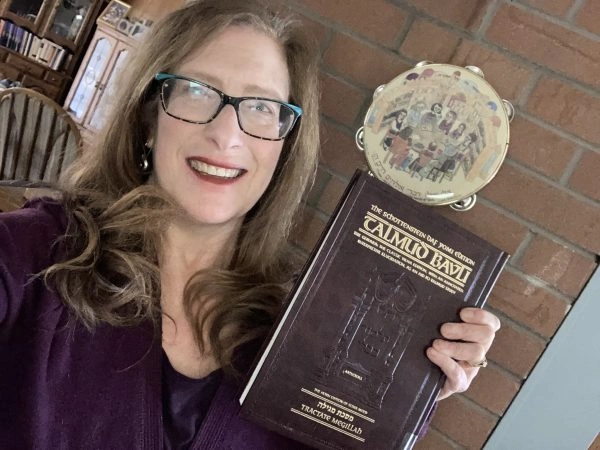
Denver, United States
I LOVE learning the Daf. I started with Shabbat. I join the morning Zoom with Reb Michelle and it totally grounds my day. When Corona hit us in Israel, I decided that I would use the Daf to keep myself sane, especially during the days when we could not venture out more than 300 m from our home. Now my husband and I have so much new material to talk about! It really is the best part of my day!

Hashmonaim, Israel

Bronx, United States

Los Angeles, United States
Since I started in January of 2020, Daf Yomi has changed my life. It connects me to Jews all over the world, especially learned women. It makes cooking, gardening, and folding laundry into acts of Torah study. Daf Yomi enables me to participate in a conversation with and about our heritage that has been going on for more than 2000 years.
Skokie, IL, United States
I went to day school in Toronto but really began to learn when I attended Brovenders back in the early 1980’s. Last year after talking to my sister who was learning Daf Yomi, inspired, I looked on the computer and the Hadran site came up. I have been listening to each days shiur in the morning as I work. I emphasis listening since I am not sitting with a Gamara. I listen while I work in my studio.

Tekoa, Israel
I started at the beginning of this cycle. No 1 reason, but here’s 5.
In 2019 I read about the upcoming siyum hashas.
There was a sermon at shul about how anyone can learn Talmud.
Talmud references come up when I am studying. I wanted to know more.
Yentl was on telly. Not a great movie but it’s about studying Talmud.
I went to the Hadran website: A new cycle is starting. I’m gonna do this

Cambridge, United Kingdom
I started learning Dec 2019 after reading “If all the Seas Were Ink”. I found
Daily daf sessions of Rabbanit Michelle in her house teaching, I then heard about the siyum and a new cycle starting wow I am in! Afternoon here in Sydney, my family and friends know this is my sacred time to hide away to live zoom and learn. Often it’s hard to absorb and relate then a gem shines touching my heart.

Dover Heights, Australia
Attending the Siyyum in Jerusalem 26 months ago inspired me to become part of this community of learners. So many aspects of Jewish life have been illuminated by what we have learned in Seder Moed. My day is not complete without daf Yomi. I am so grateful to Rabbanit Michelle and the Hadran Community.
Newton, United States
I started learning Jan 2020 when I heard the new cycle was starting. I had tried during the last cycle and didn’t make it past a few weeks. Learning online from old men didn’t speak to my soul and I knew Talmud had to be a soul journey for me. Enter Hadran! Talmud from Rabbanit Michelle Farber from a woman’s perspective, a mother’s perspective and a modern perspective. Motivated to continue!

Brentwood, California, United States
My curiosity was peaked after seeing posts about the end of the last cycle. I am always looking for opportunities to increase my Jewish literacy & I am someone that is drawn to habit and consistency. Dinnertime includes a “Guess what I learned on the daf” segment for my husband and 18 year old twins. I also love the feelings of connection with my colleagues who are also learning.

Tampa, United States
Chullin 33
מִי מִצְטָרֵף סִימָן רִאשׁוֹן לְסִימָן שֵׁנִי לְטַהֲרָהּ מִידֵי נְבֵלָה, אוֹ לָא?
The Gemara clarifies this dilemma: Does the first siman join together with the second siman to purify the animal from the impurity of an unslaughtered carcass or not? In both cases the dilemma is: Does the cutting of the first siman, which serves the dual purpose of being a component of permitting consumption and preventing impurity of the animal, join together with the cutting of the second siman, which serves only the purpose of preventing impurity, in order to constitute a single act of slaughter and thereby prevent the animal from assuming the impurity of an unslaughtered carcass? Or perhaps because the cutting of each siman is performed for a different purpose they do not join together?
עַד כָּאן לָא אִיבַּעְיָא לַן, אֶלָּא לְטַהֲרָהּ מִידֵי נְבֵלָה, אֲבָל בַּאֲכִילָה – אֲסוּרָה.
In any event, we raise the dilemma only in order to purify the foreleg from the impurity of an unslaughtered carcass. But with regard to eating the slaughtered animal, all agree that it is forbidden, as even Rabbi Zeira concedes that the animal is a tereifa and retracts his objection to the distinction that Rava proposed between the lungs and the innards.
אֲמַר לֵיהּ רַב אַחָא בַּר רַב לְרָבִינָא: דִּלְמָא לְעוֹלָם לָא הֲדַר בֵּיהּ, וְרַבִּי זֵירָא לִדְבָרָיו דְּרָבָא קָאָמַר, וְלֵיהּ לָא סְבִירָא לֵיהּ.
Rav Aḥa bar Rav said to Ravina: Perhaps Rabbi Zeira actually did not retract his opinion, as even initially he held that there is no distinction between lungs and innards. If either is perforated after one siman was cut, the animal is a tereifa. And Rabbi Zeira stated his objection to the distinction of Rava in accordance with the statement of Rava, but he himself does not hold accordingly.
אָמַר רַב אַחָא בַּר יַעֲקֹב: שְׁמַע מִינַּהּ מִדְּרַבִּי שִׁמְעוֹן בֶּן לָקִישׁ, מְזַמְּנִין יִשְׂרָאֵל עַל בְּנֵי מֵעַיִין, וְאֵין מְזַמְּנִין גּוֹי עַל בְּנֵי מֵעַיִין.
The Gemara continues its analysis of the statement of Reish Lakish, who said that after the windpipe is cut, the lung is considered as though it was placed in a basket, and if it is perforated before the slaughter is completed, the animal does not become a tereifa. Rav Aḥa bar Yaakov said: Learn from the statement of Rabbi Shimon ben Lakish that one may invite Jews to eat the innards of an animal that was slaughtered, but one may not invite gentiles to eat the innards of an animal that was slaughtered, because they are forbidden to gentiles.
מַאי טַעְמָא? יִשְׂרָאֵל דְּבִשְׁחִיטָה תַּלְיָא מִילְּתָא, כֵּיוָן דְּאִיכָּא שְׁחִיטָה מְעַלַּיְיתָא – אִישְׁתְּרִי לְהוּ; גּוֹיִם דְּבִנְחִירָה סַגִּי לְהוּ וּבְמִיתָה תַּלְיָא מִילְּתָא, הָנֵי – כְּאֵבֶר מִן הַחַי דָּמוּ.
What is the reason? For Jews the matter of rendering the meat of the animal fit for consumption is dependent upon the performance of a valid act of slaughter. Once there is full-fledged slaughter and both simanim are cut, the innards are permitted to them even if the animal is convulsing. But with regard to gentiles, for whom stabbing is sufficient and slaughter is not required, the innards are permitted only after the animal is completely dead, since the matter of rendering the meat of the animal fit for consumption is dependent upon its death. Therefore, if the animal is still convulsing, these innards, which are considered to be outside the body after the cutting of the two simanim, are considered like a limb from a living animal and it is forbidden for gentiles to eat them.
אָמַר רַב פָּפָּא: הֲוָה יָתֵיבְנָא קַמֵּיהּ דְּרַב אַחָא בַּר יַעֲקֹב, וּבְעַי דְּאֵימָא לֵיהּ, מִי אִיכָּא מִידֵּי דִּלְיִשְׂרָאֵל שְׁרֵי וּלְגוֹיִם אָסוּר? וְלָא אֲמַרִי לֵיהּ, דְּאָמֵינָא: הָא טַעְמָא קָאָמַר.
Rav Pappa said: I was sitting before Rav Aḥa bar Yaakov and I sought to say to him that his statement is difficult: Is there anything that is permitted for a Jew but prohibited for a gentile? But I did not say that to him, as I said to myself: Didn’t he say a reason for his ruling? Therefore, there is no reason to ask the question.
תַּנְיָא דְּלָא כְּרַב אַחָא בַּר יַעֲקֹב: הָרוֹצֶה לֶאֱכוֹל מִבְּהֵמָה קוֹדֶם שֶׁתֵּצֵא נַפְשָׁהּ – חוֹתֵךְ כְּזַיִת בָּשָׂר מִבֵּית הַשְּׁחִיטָה, וּמוֹלְחוֹ יָפֶה יָפֶה, וּמְדִיחוֹ יָפֶה יָפֶה, וּמַמְתִּין לָהּ עַד שֶׁתֵּצֵא נַפְשָׁהּ, וְאוֹכְלוֹ, אֶחָד גּוֹי וְאֶחָד יִשְׂרָאֵל מוּתָּרִין בּוֹ.
The Gemara notes: It is taught in a baraita not in accordance with the opinion of Rav Aḥa bar Yaakov: One who seeks to eat from the meat of an animal before its soul departs may cut an olive-bulk of meat from the area of the slaughter, the neck, and salt it very well, i.e., more than is normally required, and rinse it very well in water to remove the salt and the blood, and wait until the animal’s soul departs, and eat it. It is permitted for both a gentile and a Jew to eat it. Contrary to the statement of Rav Aḥa bar Yaakov, there is no distinction between Jew and gentile.
מְסַיַּיע לֵיהּ לְרַב אִידִי בַּר אָבִין, דְּאָמַר רַב אִידִי בַּר אָבִין אָמַר רַב יִצְחָק בַּר אַשְׁיָאן: הָרוֹצֶה שֶׁיַּבְרִיא, חוֹתֵךְ כְּזַיִת בָּשָׂר מִבֵּית שְׁחִיטָתָהּ שֶׁל בְּהֵמָה, וּמוֹלְחוֹ יָפֶה יָפֶה, וּמְדִיחוֹ יָפֶה יָפֶה, וּמַמְתִּין לָהּ עַד שֶׁתֵּצֵא נַפְשָׁהּ, אֶחָד גּוֹי וְאֶחָד יִשְׂרָאֵל מוּתָּרִין בּוֹ.
This baraita supports the statement of Rav Idi bar Avin, as Rav Idi bar Avin says that Rav Yitzḥak bar Ashyan says: One who seeks to recuperate from an illness should cut an olive-bulk of meat from the area of slaughter, i.e., the neck, of an animal, and salt it very well, and rinse it very well, and wait until the animal’s soul departs, and eat it. It is permitted for both a gentile and a Jew to eat it.
מַתְנִי׳ הַשּׁוֹחֵט בְּהֵמָה חַיָּה וָעוֹף וְלֹא יָצָא מֵהֶן דָּם – כְּשֵׁרִים, וְנֶאֱכָלִין בְּיָדַיִם מְסוֹאָבוֹת, לְפִי שֶׁלֹּא הוּכְשְׁרוּ בַּדָּם. רַבִּי שִׁמְעוֹן אוֹמֵר: הוּכְשְׁרוּ בַּשְּׁחִיטָה.
MISHNA: In the case of one who slaughters a domesticated animal, an undomesticated animal, or a bird, and blood did not emerge from them during the slaughter, all of these are permitted for consumption and do not require the ritual washing of the hands as they may be eaten with ritually impure [mesoavot] hands, because they were not rendered susceptible to ritual impurity through contact with blood, which is one of the seven liquids that render food susceptible to impurity. Rabbi Shimon says: They were rendered susceptible to ritual impurity by means of the slaughter itself.
גְּמָ׳ טַעְמָא דְּלֹא יָצָא מֵהֶן דָּם, הָא יָצָא מֵהֶן דָּם – אֵין נֶאֱכָלִים בְּיָדַיִם מְסוֹאָבוֹת. אַמַּאי? יָדַיִם שְׁנִיּוֹת הֵן, וְאֵין שֵׁנִי עוֹשֶׂה שְׁלִישִׁי בְּחוּלִּין!
GEMARA: The reason that they may be eaten with ritually impure hands is that blood did not emerge from the animals or birds during the slaughter; but if blood emerged from them during slaughter, they may not be eaten with ritually impure hands. The Gemara asks: Why not? Ordinary hands are impure with second-degree ritual impurity and an item of second-degree impurity cannot impart third-degree impurity to non-sacred items with which it comes into contact.
וּמִמַּאי דִּבְחוּלִּין עָסְקִינַן? דְּקָתָנֵי חַיָּה, דְּאִילּוּ קָדָשִׁים – חַיָּה בְּקָדָשִׁים מִי אִיכָּא? וְתוּ, אִי בְּקָדָשִׁים, כִּי לֹא יָצָא מֵהֶן דָּם – כְּשֵׁרָה? הוּא עַצְמוֹ לַדָּם הוּא צָרִיךְ!
The Gemara clarifies: From where is it ascertained that we are dealing in the mishna with non-sacred food, and not with the slaughter of an offering? That is clear, as the tanna teaches in the list of those slaughtered: An undomesticated animal. As, if the tanna is referring to the slaughter of sacrificial animals and birds, is there any undomesticated animal included in the framework of sacrificial animals? And furthermore, if the tanna is referring to sacrificial animals, when no blood emerges from them are the offerings valid? The offering itself requires blood, as it is only through the presenting of the blood upon the altar that the offering is accepted.
וְתוּ, אִי בְּקָדָשִׁים, כִּי יָצָא מֵהֶן דָּם מִי מַכְשִׁיר? וְהָאָמַר רַבִּי חִיָּיא בַּר אַבָּא אָמַר רַבִּי יוֹחָנָן: מִנַּיִן לְדַם קָדָשִׁים שֶׁאֵינוֹ מַכְשִׁיר? שֶׁנֶּאֱמַר: ״עַל הָאָרֶץ תִּשְׁפְּכֶנּוּ כַּמָּיִם״, דָּם שֶׁנִּשְׁפָּךְ כַּמַּיִם מַכְשִׁיר, שֶׁאֵינוֹ נִשְׁפָּךְ כַּמַּיִם אֵינוֹ מַכְשִׁיר!
And furthermore, if the tanna is referring to sacrificial animals, when blood emerges from them, does it render them susceptible to ritual impurity? But doesn’t Rabbi Ḥiyya bar Abba say that Rabbi Yoḥanan says: From where is it derived that the blood of sacrificial animals does not render food susceptible to ritual impurity? It is derived from a verse, as it is stated: “You shall not eat it; you shall pour it upon the earth like water” (Deuteronomy 12:24). Blood of a non-sacred animal, which is poured like water when it is slaughtered, renders food susceptible to ritual impurity. By contrast, blood of a sacrificial animal, which is not poured like water but is presented on the altar, does not render food susceptible to ritual impurity.
וְתוּ, אִי בְּקָדָשִׁים, כִּי לֹא יָצָא מֵהֶם דָּם לָא מִתַּכְשְׁרִי, (לִיתַּכְשְׁרִי) [לִיתַּכְשְׁרוּ] בְּחִיבַּת הַקֹּדֶשׁ! דְּקַיְימָא לַן חִיבַּת הַקֹּדֶשׁ מַכְשַׁרְתָּן.
And furthermore, if the tanna is referring to sacrificial animals, when blood does not emerge from them are they not nevertheless rendered susceptible to ritual impurity? Let them be rendered susceptible to ritual impurity by means of regard for sanctity, as we maintain that regard for sanctity renders food suceptible to ritual impurity even in the absence of contact with any of the seven liquids.
אָמַר רַב נַחְמָן אָמַר רַבָּה בַּר אֲבוּהּ: הָכָא בְּחוּלִּין שֶׁלְּקָחָן בְּכֶסֶף מַעֲשֵׂר עָסְקִינַן, וּדְלָא כְּרַבִּי מֵאִיר, דִּתְנַן:
Rav Naḥman said that Rabba bar Avuh said: Here we are dealing with non-sacred food that one purchased in Jerusalem with second-tithe money, which assumes the status of the second-tithe produce. This produce, in turn, assumes third-degree impurity through contact with hands that have second-degree impurity. And this mishna is not in accordance with the opinion of Rabbi Meir, as we learned in a mishna (Para 11:5):
כׇּל הַטָּעוּן בִּיאַת מַיִם מִדִּבְרֵי סוֹפְרִים מְטַמֵּא אֶת הַקֹּדֶשׁ, וּפוֹסֵל אֶת הַתְּרוּמָה, וּמוּתָּר בַּחוּלִּין וּבַמַּעֲשֵׂר, דִּבְרֵי רַבִּי מֵאִיר.
With regard to anything that by rabbinic law requires entry into water, i.e., either immersion or ritual washing of the hands, although it is pure by Torah law, it is accorded second-degree impurity. Therefore, such an item renders sacrificial food impure, meaning that the sacrificial food becomes impure and transmits impurity to other sacrificial food, and disqualifies teruma, meaning that it renders the teruma itself impure, but not to the extent that the teruma can render other teruma impure. And it is permitted for non-sacred food and for second-tithe produce to come in contact with such an item, and no impurity is thereby transmitted. This is the statement of Rabbi Meir.
וַחֲכָמִים אוֹסְרִים בַּמַּעֲשֵׂר.
And the Rabbis prohibit items that require entry into water from coming in contact with second-tithe produce, as they hold that the produce is thereby rendered impure. According to the Rabbis, the status of second-tithe produce is more stringent than that of non-sacred food, and second-tithe produce assumes third-degree impurity upon contact with an item of second-degree impurity, which is in accordance with the opinion of the mishna.
מַתְקֵיף לַהּ רַב שִׁימִי בַּר אָשֵׁי: מִמַּאי? דִּלְמָא עַד כָּאן לָא פְּלִיגִי רַבָּנַן עֲלֵיהּ דְּרַבִּי מֵאִיר, אֶלָּא בַּאֲכִילַת מַעֲשֵׂר, אֲבָל בִּנְגִיעָה דְּמַעֲשֵׂר וַאֲכִילָה דְחוּלִּין – לָא פְּלִיגִי.
Rav Shimi bar Ashi objects to this interpretation of that mishna. From where is it clear that it is contact that the Rabbis prohibit? Perhaps the Rabbis disagree with Rabbi Meir only with regard to a person with second-degree impurity partaking of second-tithe produce. But with regard to contact of an individual with second-degree impurity with second-tithe produce or his eating non-sacred food, they do not disagree.
וְהָא נְגִיעָה הִיא, מִדְּקָתָנֵי נֶאֱכָלִין בְּיָדַיִם מְסוֹאָבוֹת, מִי לָא עָסְקִינַן דְּקָא סָפֵי לֵיהּ חַבְרֵיהּ?
And this case in the mishna is a case involving contact with the flesh of the slaughtered animal, from the fact that it teaches: They may be eaten with ritually impure hands, in the passive form, and not: One may eat them with impure hands. Are we not dealing with a case where another with impure hands fed him, but the one eating it was ritually pure and did not touch it? Therefore, the case in the mishna here, which indicates that it is forbidden for one with impure hands to touch the flesh if it has come in contact with the blood, cannot be referring to an animal purchased in Jerusalem with second-tithe money. The reason is that in that case, the Rabbis concede that contact with second-tithe produce, even produce rendered susceptible to ritual impurity by the blood, is permitted for one whose hands are impure with second-degree ritual impurity.
אֶלָּא אָמַר רַב פָּפָּא: הָכָא בְּיָדַיִם תְּחִלּוֹת עָסְקִינַן, וְרַבִּי שִׁמְעוֹן בֶּן אֶלְעָזָר הִיא, דְּתַנְיָא: אֵין יָדַיִם תְּחִלּוֹת לַחוּלִּין, רַבִּי שִׁמְעוֹן בֶּן אֶלְעָזָר אוֹמֵר מִשּׁוּם רַבִּי מֵאִיר: יָדַיִם תְּחִלּוֹת לַחוּלִּין, וּשְׁנִיּוֹת לַתְּרוּמָה.
Rather Rav Pappa said: Here, in the mishna, we are dealing with hands that are impure with first-degree ritual impurity, which render even non-sacred food impure. And the mishna is in accordance with the opinion of Rabbi Shimon ben Elazar, as it is taught in a baraita: In those cases where hands have first-degree impurity, it is not that they render non-sacred food impure; rather, it means that they impart to teruma and sacrificial food second-degree impurity rather than third-degree impurity. Rabbi Shimon ben Elazar says in the name of Rabbi Meir: In those cases where hands have first-degree impurity, it means that they render non-sacred food impure. And in those cases where hands have second-degree impurity it means that they invalidate teruma and impart to it third-degree impurity.
תְּחִלּוֹת לְחוּלִּין – אִין, לִתְרוּמָה – לָא? הָכִי קָאָמַר: תְּחִלּוֹת – אַף לְחוּלִּין, שְׁנִיּוֹת – לִתְרוּמָה אִין, לְחוּלִּין – לָא.
The Gemara asks: Did Rabbi Shimon ben Elazar say that in those cases where hands have first-degree impurity, with regard to non-sacred food, yes, they render it impure, but with regard to teruma, hands do not render it impure? The Gemara answers: This is what Rabbi Shimon ben Elazar is saying: In those cases where hands have first-degree impurity, it means that they render even non-sacred food impure, and all the more so they render teruma impure. But in those cases where hands have second-degree impurity, it means that with regard to teruma, yes, the hands invalidate teruma and impart third-degree impurity, but with regard to non-sacred food, hands do not render it impure.
וּמִי אִיכָּא יָדַיִם תְּחִלּוֹת? אִין, דְּתַנְיָא: הִכְנִיס יָדָיו לְבַיִת הַמְנוּגָּע – יָדָיו תְּחִלּוֹת, דִּבְרֵי רַבִּי עֲקִיבָא, וַחֲכָמִים אוֹמְרִים: יָדָיו שְׁנִיּוֹת.
The Gemara asks: And are there cases where hands assume first-degree impurity? The Gemara answers: Yes, as it is taught in a mishna (Yadayim 3:1): If one inserts his hands into a leprous house (see Leviticus 14:33–53) his hands assume first-degree impurity as though his entire body entered the house; this is the statement of Rabbi Akiva. And the Rabbis say: His hands assume second-degree impurity.
דְּכוּלֵּי עָלְמָא בִּיאָה בְּמִקְצָת לֹא שְׁמָהּ בִּיאָה, וְהָכָא בִּגְזֵירָה יָדָיו אַטּוּ גּוּפוֹ קָא מִיפַּלְגִי.
The Gemara elaborates: Everyone agrees that in principle, partial entry into a leprous house is not characterized as entry in terms of rendering one who enters impure. Therefore, one who inserted his hands into the house is not impure by Torah law. And here, it is with regard to a rabbinic decree that renders his hands impure that they disagree: The Sages issued a decree that if one inserted his hands into a leprous house, his hands are impure due to the impurity by Torah law that one assumes when he enters the house with his entire body. The objective of the decree is to prevent him from entering the leprous house.
מָר סָבַר: יָדָיו – כְּגוּפוֹ שַׁוִּינְהוּ רַבָּנַן, וּמָר סָבַר: יָדַיִם – כְּיָדַיִם דְּעָלְמָא שַׁוִּינְהוּ רַבָּנַן.
One Sage, Rabbi Akiva, holds that when the Sages issued the decree they determined that the status of his hands inserted into the house is like the status of his body that enters the house, first-degree impurity. And one Sage, the Rabbis, holds that the Sages rendered the status of hands inserted into the house like the status of hands in general, with regard to which they issued a decree of second-degree impurity, even if they had been washed.
וְלוֹקְמַהּ כְּרַבִּי עֲקִיבָא, דְּאָמַר: יָדָיו תְּחִלּוֹת הָוְיָין? דִּלְמָא כִּי קָאָמַר רַבִּי עֲקִיבָא הָנֵי מִילֵּי בִּתְרוּמָה וְקָדָשִׁים, דַּחֲמִירִי, אֲבָל לְחוּלִּין – שְׁנִיּוֹת הָוְיָין.
The Gemara asks: And why did Rav Pappa interpret the mishna in accordance with the opinion of Rabbi Shimon ben Elazar? Let Rav Pappa interpret the mishna in accordance with the opinion of Rabbi Akiva, who says: If one inserts his hands into a leprous house, his hands assume first-degree impurity. The Gemara answers: Perhaps when Rabbi Akiva says that one’s hands assume first-degree impurity, that statement applies only in cases of teruma and sacrificial food, which are stringent. But with regard to non-sacred food, perhaps hands are impure only with second-degree impurity.
וְלִיהֶוְיָין נָמֵי שְׁנִיּוֹת, דְּהָא שָׁמְעִינַן לֵיהּ לְרַבִּי עֲקִיבָא דְּאָמַר: שֵׁנִי עוֹשֶׂה שְׁלִישִׁי בְּחוּלִּין.
The Gemara objects: And let hands also be impure only with second-degree impurity and the mishna could still be in accordance with the opinion of Rabbi Akiva. As we heard that Rabbi Akiva says: An item of second-degree impurity imparts third-degree impurity to non-sacred items.
דִּתְנַן, בּוֹ בְּיוֹם דָּרַשׁ רַבִּי עֲקִיבָא: ״וְכׇל כְּלִי חֶרֶשׂ וְגוֹ׳ יִטְמָא״, ״טָמֵא״ לֹא נֶאֱמַר, אֶלָּא ״יִטְמָא״ – לְטַמֵּא אֲחֵרִים, לִימֵּד עַל כִּכָּר שֵׁנִי שֶׁהוּא עוֹשֶׂה שְׁלִישִׁי בְּחוּלִּין.
As we learned in a mishna (Sota 27b): On that day, when Rabbi Elazar ben Azarya was appointed Nasi in Yavne, Rabbi Akiva taught: “And every earthenware vessel into which any of them falls, whatever is in it shall be impure, and you shall break it” (Leviticus 11:33). With regard to the item rendered impure in the vessel, it is not stated: It is impure [tameh]; rather, the term “it shall be impure [yitma]” is stated, indicating that the item has the capacity to transmit impurity to other items. This verse teaches about a loaf with second-degree impurity that had been rendered impure in the airspace of an earthenware vessel in which there was a creeping animal, that through contact it renders non-sacred food impure with third-degree ritual impurity.
דִּלְמָא הָנֵי מִילֵּי בְּטוּמְאָה דְּאוֹרָיְיתָא, אֲבָל בִּדְרַבָּנַן לָא.
The Gemara explains: Perhaps this statement, that non-sacred food becomes impure with third-degree ritual impurity, applies only with regard to impurity by Torah law, e.g., a creeping animal; but with regard to impurity by rabbinic law, e.g., impurity of hands, that is not the halakha.
אָמַר רַבִּי אֶלְעָזָר אָמַר רַבִּי הוֹשַׁעְיָא: הָכָא בְּחוּלִּין שֶׁנַּעֲשׂוּ עַל טׇהֳרַת הַקֹּדֶשׁ עָסְקִינַן, וּדְלָא כְּרַבִּי יְהוֹשֻׁעַ, דְּתַנְיָא: רַבִּי אֱלִיעֶזֶר אוֹמֵר: הָאוֹכֵל אוֹכֶל רִאשׁוֹן – רִאשׁוֹן, שֵׁנִי – שֵׁנִי, שְׁלִישִׁי – שְׁלִישִׁי.
Rabbi Elazar said that Rabbi Hoshaya said a third explanation of the mishna: Here we are dealing with a case of non-sacred food items that were prepared on the level of purity of sacrificial food. And the mishna is not in accordance with the opinion of Rabbi Yehoshua, as it is taught in a mishna (Teharot 2:2): Rabbi Eliezer says: One who eats food with first-degree ritual impurity assumes first-degree impurity. One who eats food with second-degree ritual impurity assumes second-degree impurity. One who eats food with third-degree impurity assumes third-degree impurity.
רַבִּי יְהוֹשֻׁעַ אוֹמֵר: הָאוֹכֵל אוֹכֶל רִאשׁוֹן וְשֵׁנִי – שֵׁנִי, שְׁלִישִׁי – שֵׁנִי לַקֹּדֶשׁ, וְאֵין שֵׁנִי לַתְּרוּמָה.
The mishna continues: Rabbi Yehoshua says: One who eats food with first-degree or second-degree impurity assumes second-degree impurity. One with second-degree impurity who comes into contact with teruma disqualifies it, but does not render it impure. One who eats food with third-degree impurity assumes second-degree impurity vis-à-vis sacrificial food, i.e., his contact with sacrificial food renders it impure with the capacity to transmit impurity to other sacrificial food, but does not assume second-degree impurity vis-à-vis teruma, and his contact with teruma does not disqualify it.
בְּחוּלִּין שֶׁנַּעֲשׂוּ עַל טׇהֳרַת תְּרוּמָה.
Eating an item that has third-degree impurity is feasible only in the case of non-sacred food, as partaking of impure teruma or sacrificial food is prohibited. Generic non-sacred food cannot contract third-degree impurity at all. Therefore, the case of one who eats food that has third-degree impurity is referring specifically to non-sacred food items that were prepared on the level of purity of teruma.
עַל טׇהֳרַת תְּרוּמָה – אִין, עַל טׇהֳרַת הַקֹּדֶשׁ – לָא, קָסָבַר: חוּלִּין שֶׁנַּעֲשׂוּ עַל טׇהֳרַת הַקֹּדֶשׁ לֵית בְּהוּ שְׁלִישִׁי.
The Gemara infers from Rabbi Yehoshua’s statement that if one prepares items as if their level of purity were on the level of purity of teruma, then yes, they have the status like teruma, but if one prepares items as if their level of purity were on the level of purity of sacrificial food, they do not have the status like sacrificial food, and such items would not contract third-degree impurity. This indicates that Rabbi Yehoshua holds that non-sacred food items that were prepared on the level of purity of sacrificial food do not assume third-degree impurity.
וְלוֹקְמַהּ
The Gemara objects: Let us interpret the mishna

